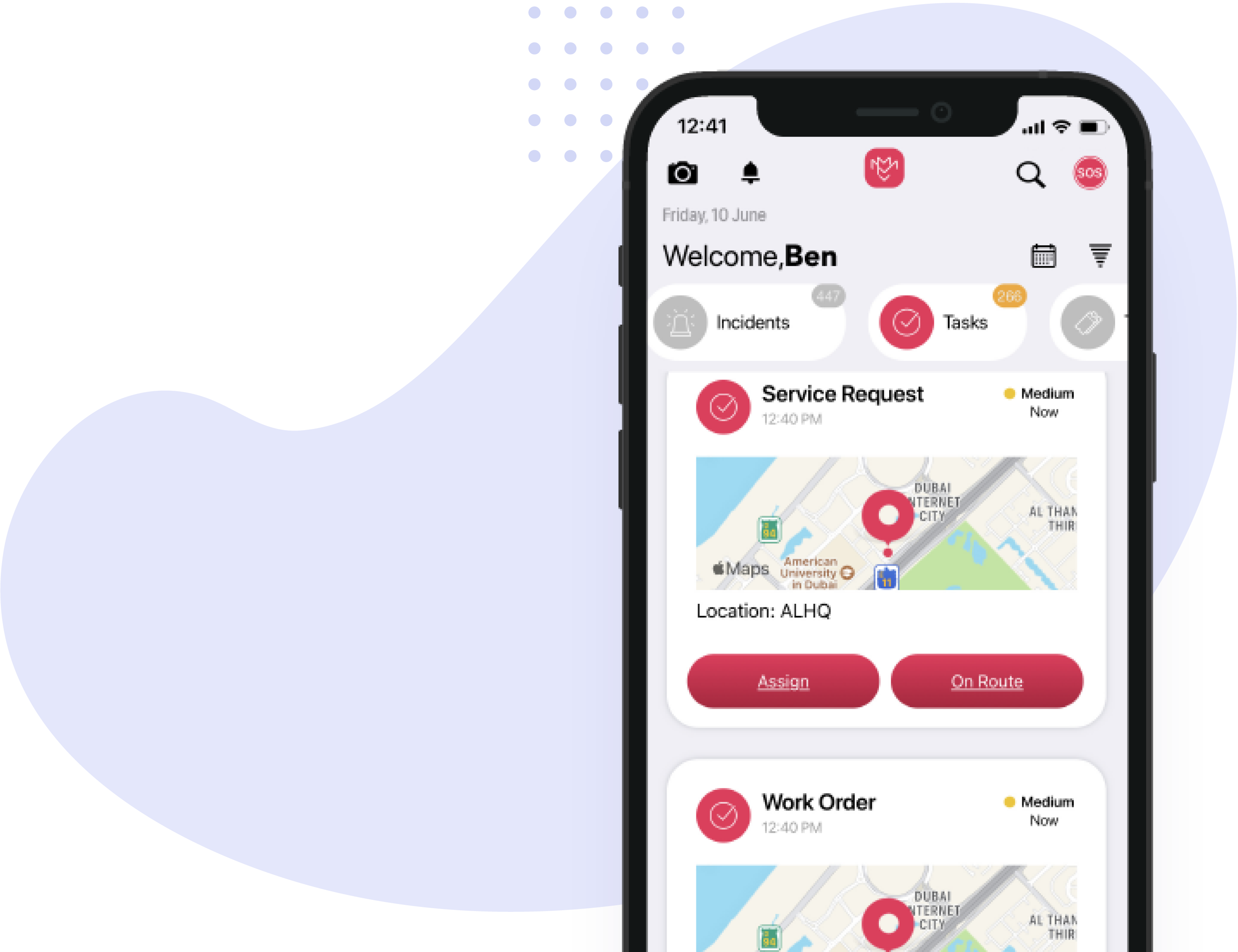
Enterprise Workflow Orchestration
Coordinate people, assets, systems and operational workflows
through one unified orchestration layer.

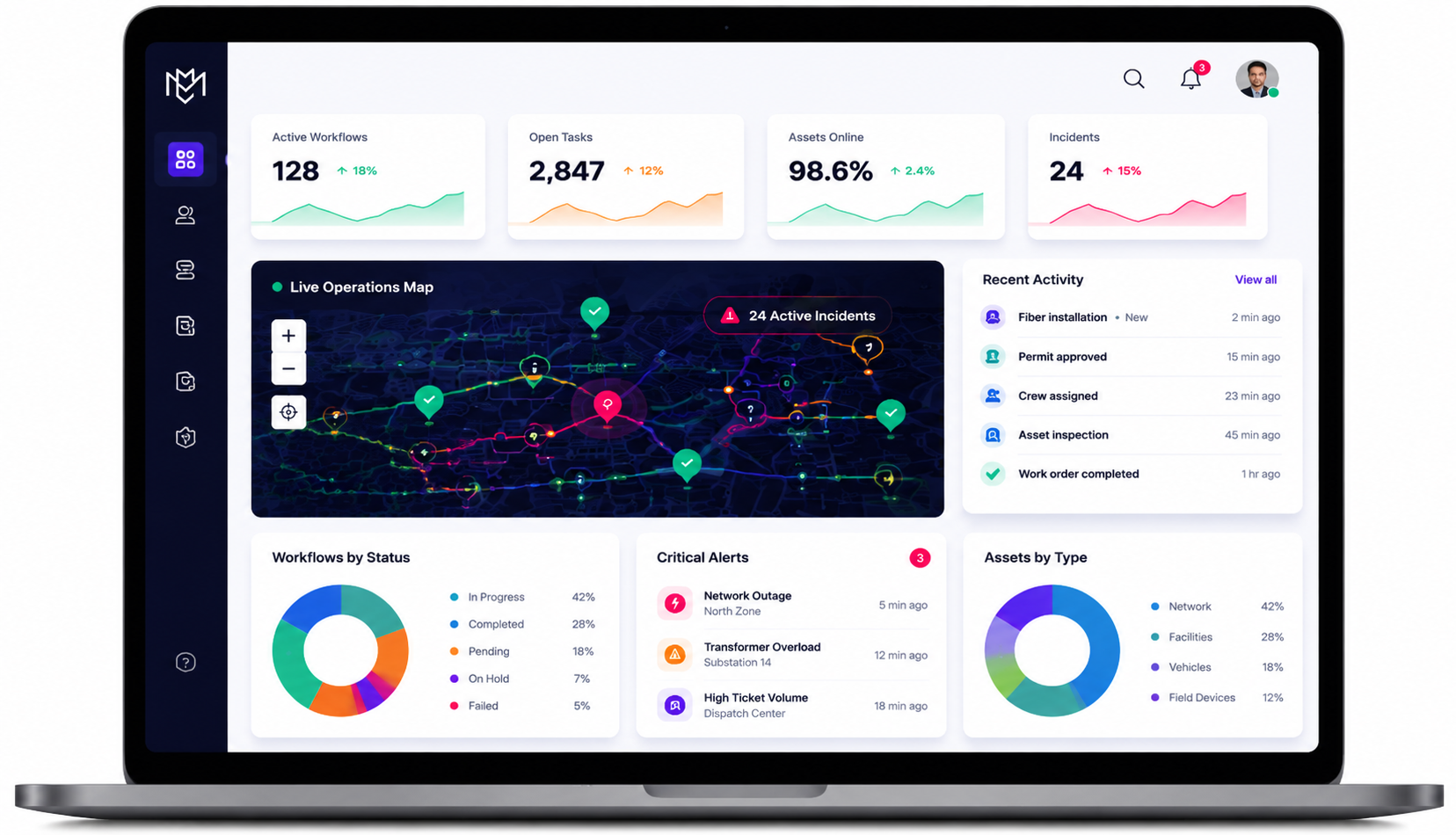
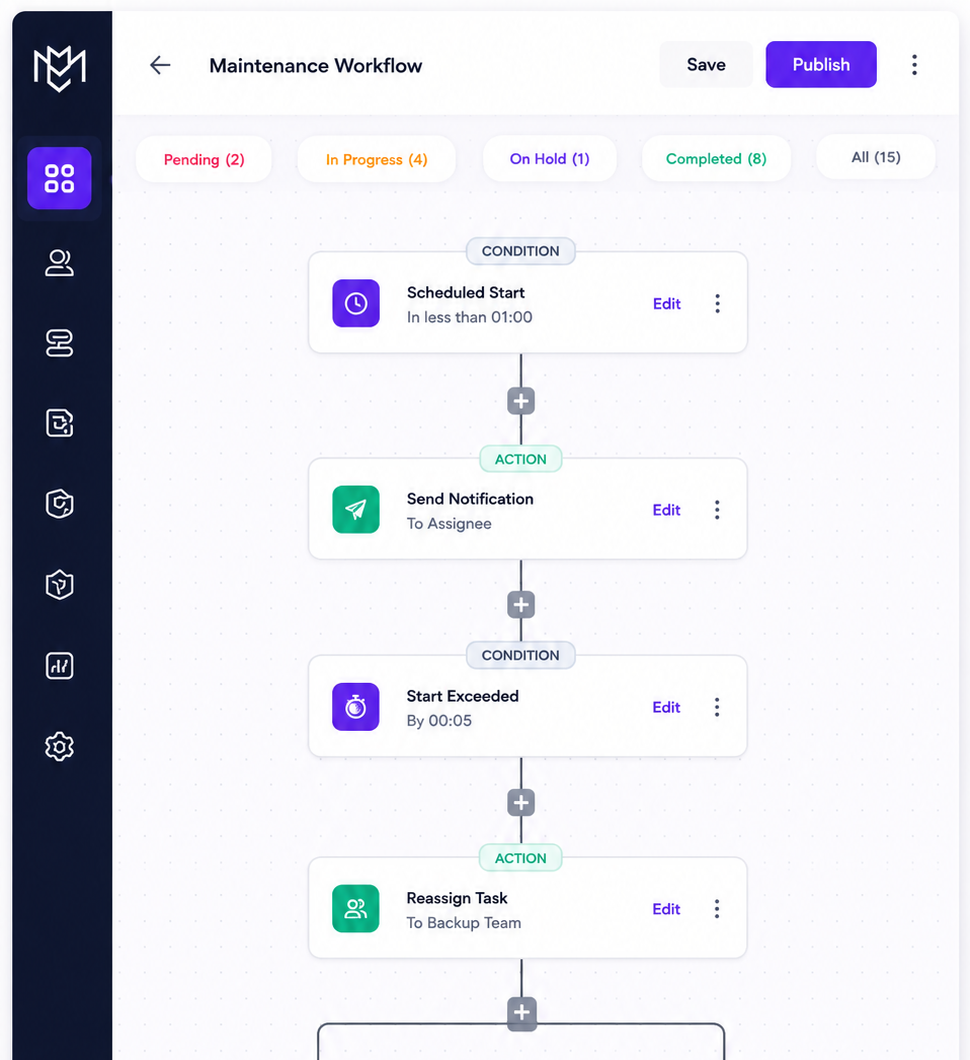


Enterprise Workflow Orchestration
Coordinate people, assets, systems and operational workflows
through one unified orchestration layer.

Coordinate Field Teams
Manage Contractors
Optimize Workforce Capacity

Standardize Workflows
Automate Operational Tasks
Enforce Business Rules

Track Critical Assets
Monitor Asset Health
Improve Resource Utilization

Connect ERP Platforms
Integrate CRM Systems
Unify Operational Data

Manage Incidents
Coordinate Service Requests
Respond To Operational Events

Monitor Operational KPIs
Track SLA Performance
Support Better Decisions
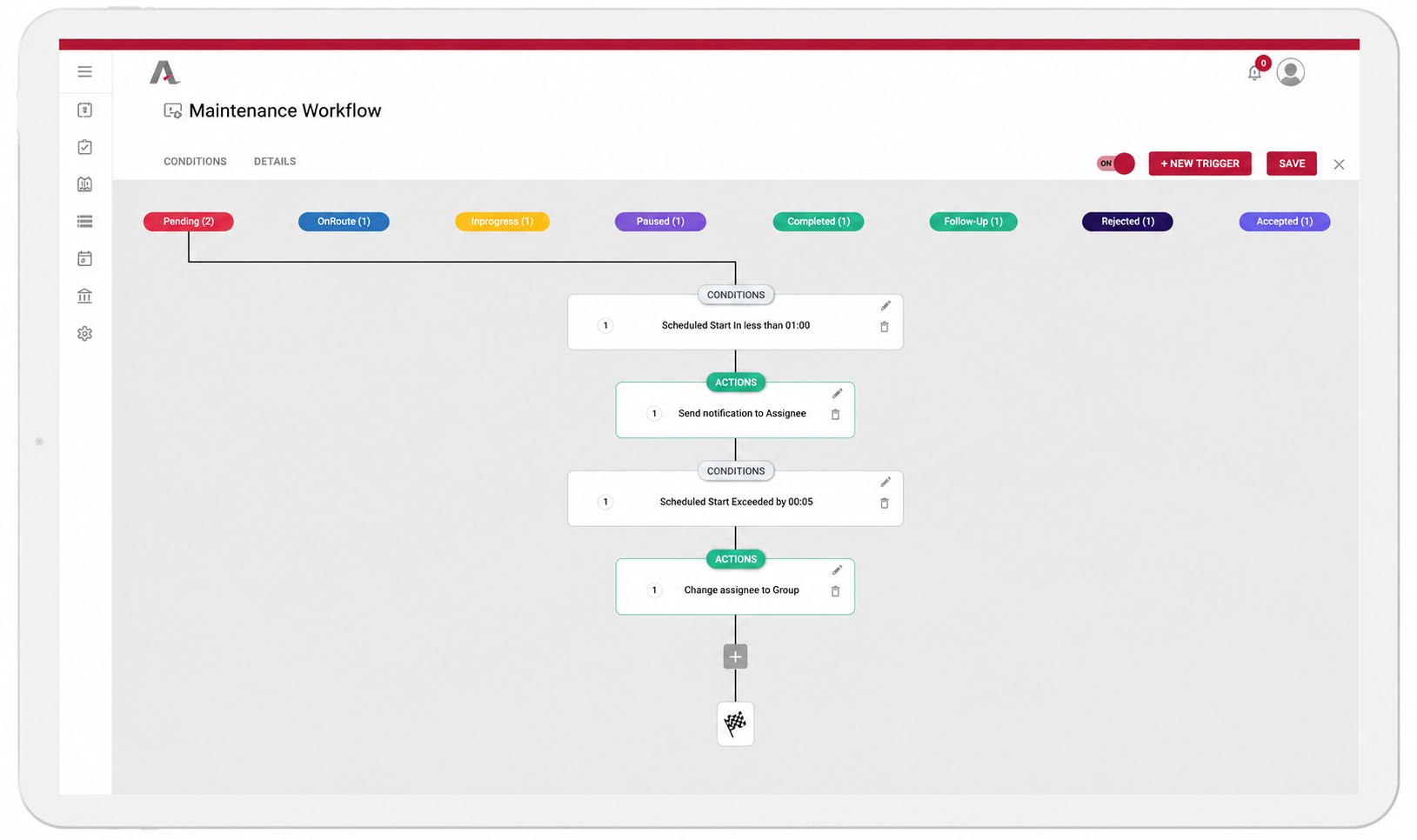

Workflow automation executes individual tasks. Enterprise workflow orchestration coordinates people, processes, assets, systems and operational events across the enterprise.
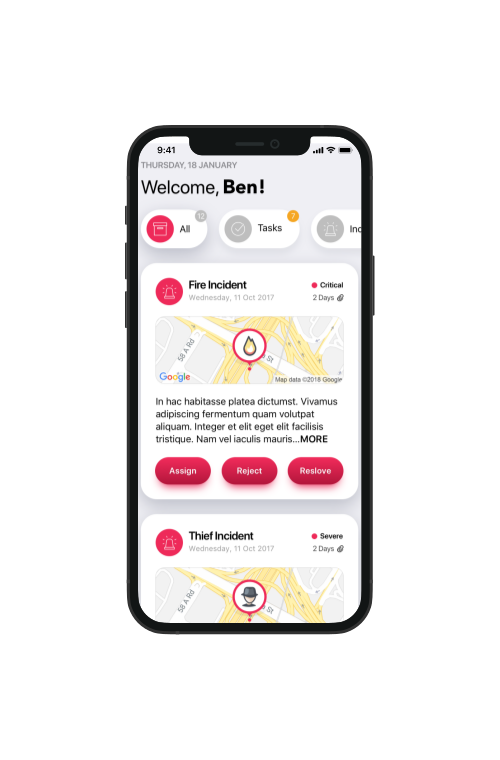
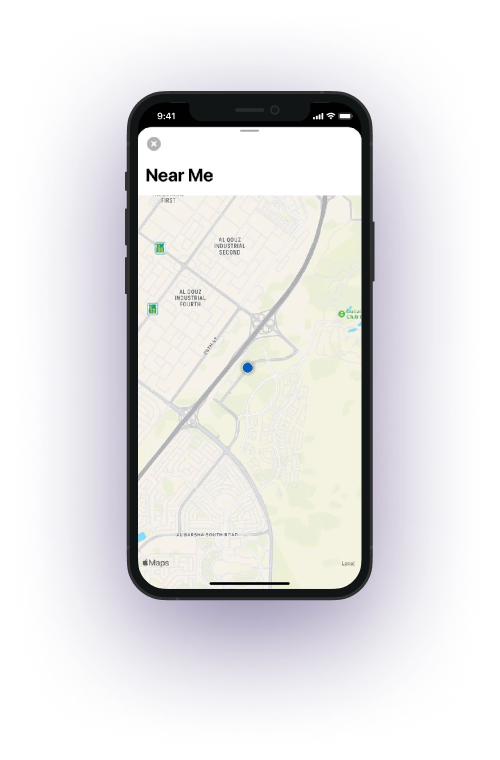
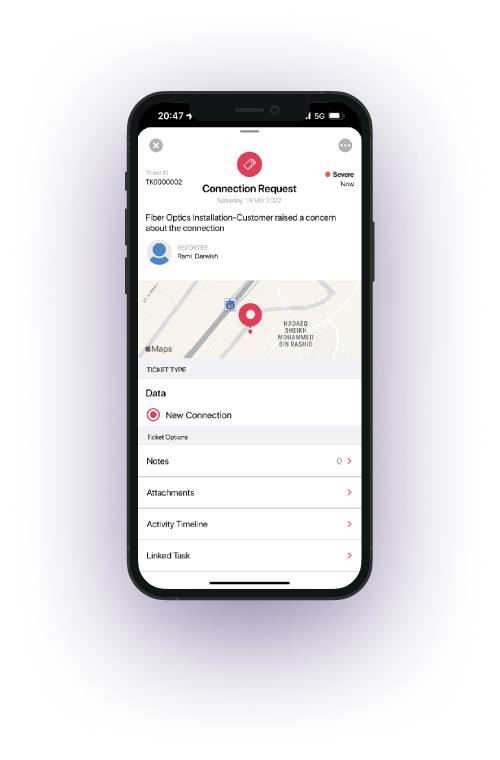
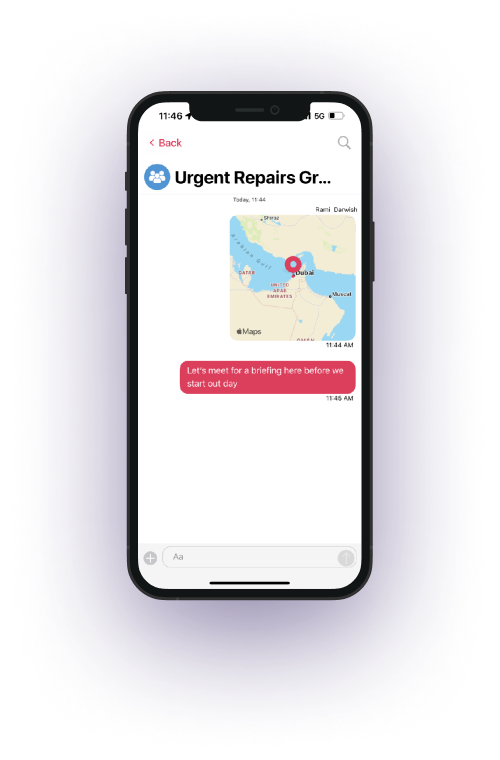
Disconnected systems, fragmented workflows, manual coordination and limited visibility make it difficult for organizations to manage complex operational environments efficiently.
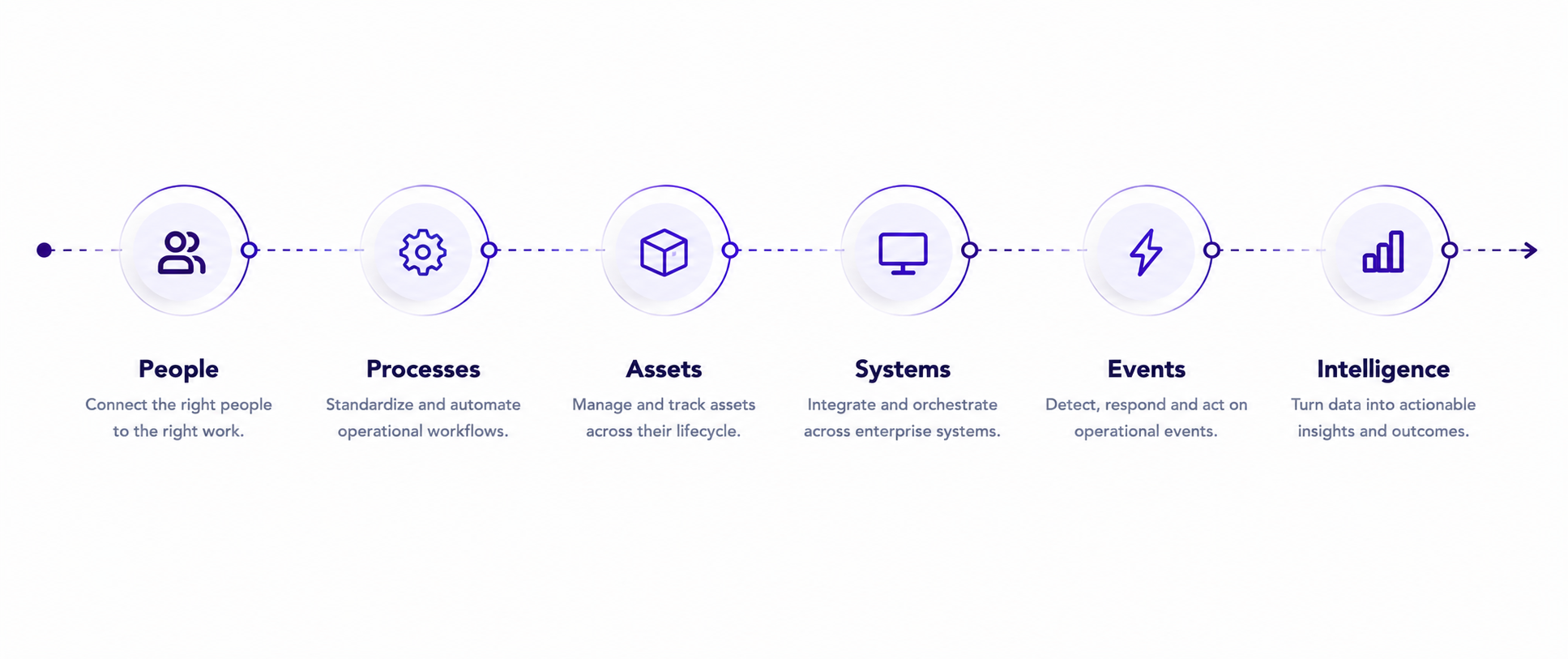
Enterprise Workflow Orchestration Capabilities
Enterprise workflow orchestration requires the ability to coordinate people, processes, assets, systems and operational events through a unified platform. MIMS provides the capabilities organizations need to manage complex operations at scale.









ERP Systems

CRM Platforms

GIS Systems

IoT & Asset Data

Operational Support Systems
See how easy it is to efficiently plan,
coordinate and execute teamwork with MIMS.